Elevating Digital Aesthetics: Why Floreale Two and Its Beautiful Floral Ornaments Matter in Modern Design
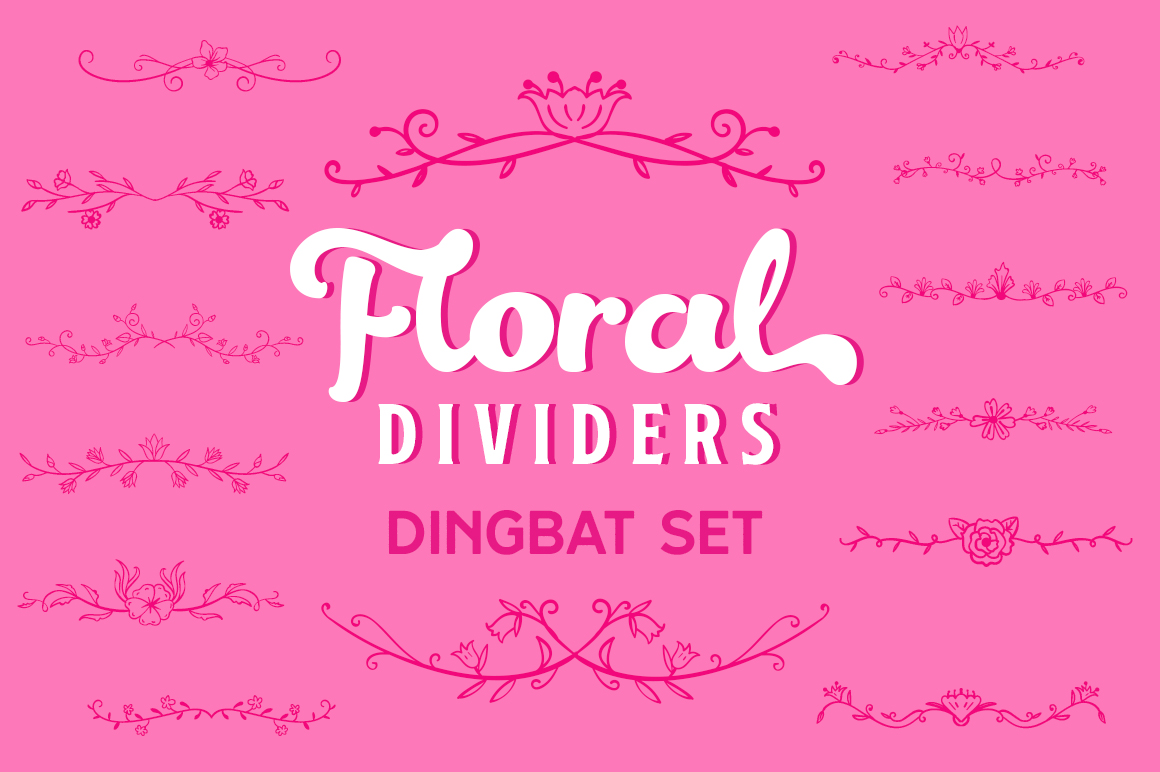
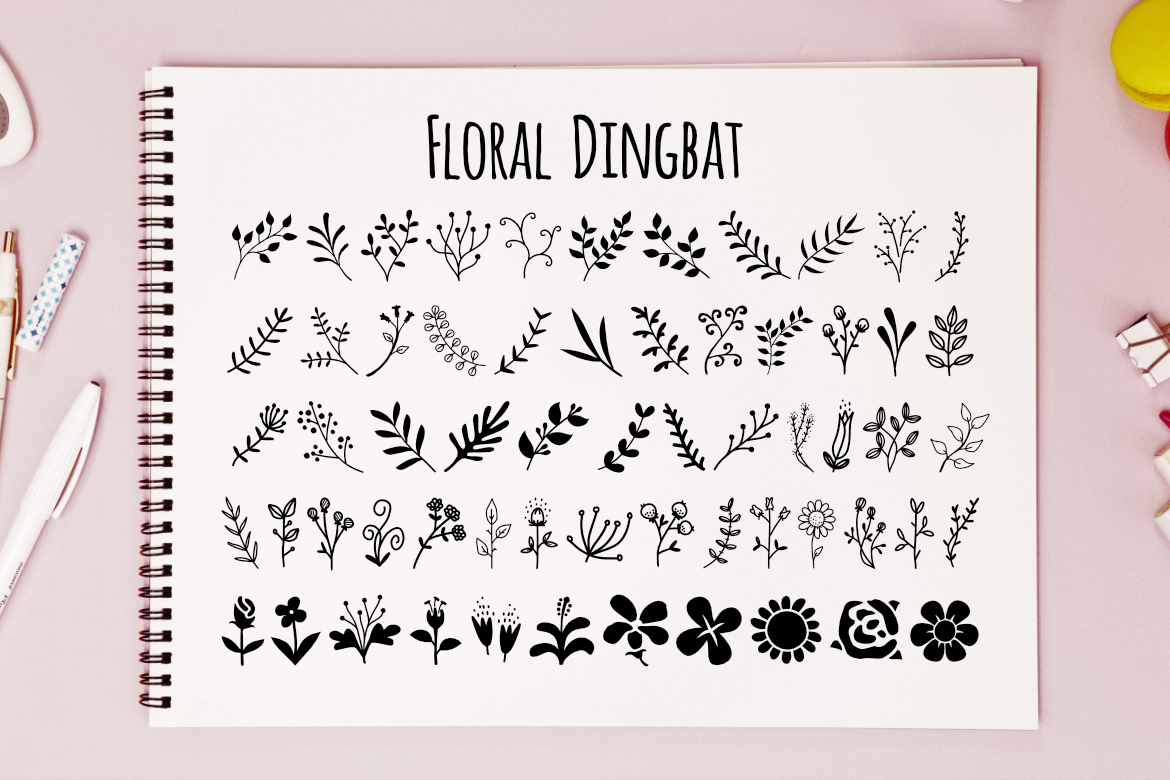
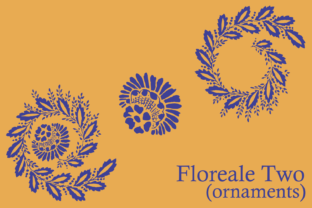
In the rapidly evolving landscape of digital design and brand communication, the pendulum is swinging decisively away from sterile minimalism toward a more expressive, human-centric aesthetic. For professionals, creators, and entrepreneurs navigating this shift, the tools selected for visual storytelling are no longer mere decorations; they are strategic assets that define brand identity and emotional resonance. At the forefront of this botanical renaissance is Floreale Two, a comprehensive design resource that has captured the attention of forward-thinking marketers and designers. While it is technically a collection of assets, its impact extends far beyond simple ornamentation. Floreale Two contains beautiful floral ornaments that serve as a bridge between organic warmth and digital precision, addressing a critical gap in contemporary creative workflows.
The Resurgence of Organic Design in a Digital-First Economy
To understand the relevance of Floreale Two, one must first understand the broader market fatigue associated with hyper-modernist design. For over a decade, the tech and business sectors have been dominated by flat design, rigid grids, and synthetic color palettes. While functional, this aesthetic often lacks the tactile quality necessary to build deep consumer trust. As we move further into an era defined by artificial intelligence and automation, there is a growing consumer craving for authenticity and natural imperfection.
This is where high-quality ornamental resources become essential. Professionals are seeking ways to soften corporate messaging without sacrificing authority. Floreale Two fits precisely into this niche by offering sophisticated botanical elements that feel curated rather than generic. Unlike the clip-art of the early internet era or the overly realistic stock photography that can feel impersonal, these ornaments occupy a sweet spot of stylized elegance. They allow brands to signal sustainability, wellness, creativity, and approachability instantly. For freelancers and agencies, integrating such elements is no longer about making a design look "pretty"; it is about aligning visual language with shifting consumer values that prioritize mental well-being and environmental consciousness.
Bridging Tradition and Technology
The modern creative workflow demands versatility. Assets must perform equally well on a 4K monitor, a printed luxury packaging mockup, and a mobile social media story. A significant reason why people are paying attention to Floreale Two is its adaptability within hybrid workflows. The intersection of traditional artistry and digital utility is a major trend in the creative technology sector. Designers are moving away from generating everything from scratch due to tight turnaround times, yet they refuse to compromise on uniqueness.
Floreale Two addresses this tension by providing foundational artistic elements that can be manipulated, layered, and integrated into complex compositions. This supports a modular design approach where efficiency does not equate to uniformity. For entrepreneurs managing their own branding or small teams without dedicated art directors, access to professional-grade ornamental libraries reduces the barrier to entry for high-end visual communication. It democratizes a level of sophistication previously reserved for brands with substantial retainer budgets.
Strategic Applications Across Industries
The utility of Floreale Two contains beautiful floral ornaments extends across diverse verticals, each utilizing the assets to solve specific communication challenges. Understanding these practical applications helps professionals leverage the resource effectively.
- Luxury and Boutique Retail: In e-commerce, differentiation is difficult. High-end beauty, jewelry, and fashion brands utilize these ornaments to create unboxing experiences and web layouts that convey craftsmanship. The intricate details suggest a level of care that mirrors the product quality.
- Wellness and Healthcare: Clinical environments and digital health platforms often struggle with sterility. Integrating soft, organic motifs helps reduce patient anxiety and creates a sense of holistic care. The botanical themes reinforce connections to nature and healing without being clinically explicit.
- Sustainable Business and ESG Reporting: Corporate communications regarding Environmental, Social, and Governance (ESG) criteria require visual metaphors for growth and responsibility. Rather than using cliché imagery of hands holding seedlings, sophisticated floral ornaments provide a mature, abstract representation of ecological commitment suitable for annual reports and investor decks.
- Editorial and Content Marketing: Publishers and bloggers use these elements to break up dense text, guide the reader’s eye, and establish thematic consistency. In an age of skimming, visual anchors improve readability and retention.
Changing Expectations in Visual Asset Management
The rise of resources like Floreale Two also reflects changing expectations regarding asset licensing and usage rights. Modern professionals demand clarity and flexibility. The ambiguity of "royalty-free" is being replaced by transparent licensing models that empower creators to use assets commercially without fear of litigation. Furthermore, the technical specifications matter more than ever. With the advent of variable fonts and responsive SVG graphics, static PNGs are becoming less desirable for web-first projects.
Professionals are evaluating ornamental packs based on their integration potential. Can these flowers be separated? Do they work in dark mode? Are they vector-based for infinite scalability? Floreale Two meets these rigorous technical standards, acknowledging that today's designer is part artist, part developer, and part strategist. The expectation is no longer just for beauty, but for functional beauty that survives the rigors of multi-platform deployment.
The Psychology of Botanical Ornamentation
Beyond trends and technology, there is a psychological component to the success of Floreale Two. Biophilic design—the concept of connecting built environments to nature—is well-documented in architecture and interior design, but it is equally potent in graphic design. Research consistently shows that exposure to natural patterns reduces cognitive load and improves mood.
When marketers incorporate these elements, they are leveraging subconscious associations. Flowers and plants represent cycles, growth, fragility, and resilience. In a business context, these are powerful narratives. A fintech company using subtle floral borders might be signaling sustainable growth rather than aggressive extraction. A tech startup might use organic shapes to imply user-friendly adaptability. The ornaments act as non-verbal cues that modify how the accompanying text and data are perceived. This layer of semantic depth is what separates amateur design from professional strategic communication.
Navigating Saturation Through Curation
A common concern among creatives is the risk of saturation. If everyone uses the same popular asset packs, will designs begin to look identical? This is a valid concern, but it highlights the importance of curation and customization. Floreale Two provides the vocabulary, not the entire sentence. The value lies in how the professional combines these elements with typography, color theory, and negative space.
The most successful users of this resource treat the ornaments as raw material for bespoke creation. They adjust opacity, blend modes, and color grading to match specific brand guidelines. They mix and match elements to create unique borders, backgrounds, and focal points. This practice aligns with the broader industry move toward "remix culture," where originality is found in synthesis rather than pure invention. By focusing on application rather than mere acquisition, professionals ensure their work remains distinct even when utilizing shared resources.
Future-Proofing Creative Workflows
Looking forward, the role of ornamental design is likely to expand rather than contract. As generative AI tools become ubiquitous, the ability to produce generic imagery will become effortless and, consequently, less valuable. Human curation and the selection of high-intent, culturally resonant assets will become the premium skill. Resources like Floreale Two represent intentional artistry—elements created with specific aesthetic goals and cultural awareness that algorithms currently struggle to replicate authentically.
Furthermore, as digital experiences become more immersive through AR and VR, the need for detailed, scalable organic assets will grow. Flat design may suffice for a 2D screen, but spatial computing requires depth and texture. Botanical ornaments offer a rich source of complexity that translates well into three-dimensional spaces. Investing in high-quality libraries now prepares creative teams for these emerging mediums.
Ultimately, the attention surrounding Floreale Two is symptomatic of a larger maturation in the digital design industry. We are moving past the novelty of pure digitization and seeking to reintegrate the sensory richness of the physical world into our virtual interactions. For the entrepreneur building a lifestyle brand, the marketer crafting a sustainability campaign, or the freelancer seeking to elevate their portfolio, understanding and utilizing these tools is a practical step toward more resonant, effective, and human-centered design. The ornaments are beautiful, yes, but their true power lies in their capacity to make the digital feel undeniably alive.