Flower Graphics: Versatile Files for Every Creator
Visual elements have a unique way of transforming a blank canvas into something meaningful, and few motifs are as universally adaptable as floral designs. Flower graphics serve as foundational building blocks for a vast array of creative projects, bridging the gap between digital design and tangible crafts. Whether you are operating a professional printing business, teaching art in a classroom, or simply enjoying a weekend scrapbooking session, having access to high-quality botanical assets is essential. These graphics are not merely decorative images; they are functional tools packaged specifically to streamline workflows across different platforms and skill levels.
Understanding what these files actually contain helps demystify the process for newcomers while reassuring experienced users about technical specifications. When you acquire a flower graphic package designed for cutting machines, printing, and software integration, you are typically receiving a structured digital asset rather than a single static image. This organization ensures that whether you need to resize a logo for a billboard or cut intricate vinyl decals for a tumbler, the source material supports your specific output requirements without pixelation or compatibility errors.
What Is Included in the Download
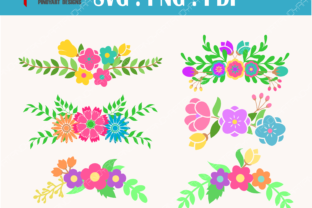
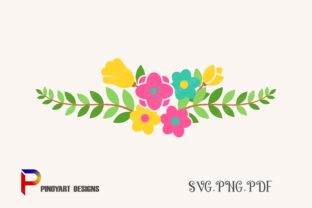
Organization is just as important as the artwork itself when managing digital assets. A standard flower graphics download arrives as a single ZIP file, which acts as a compressed container to keep all related data secure and easy to transfer. Once extracted, this archive reveals a dedicated folder containing three distinct file formats: SVG, PNG, and PDF. This trio is intentional, covering the spectrum from vector editing to raster printing and document sharing.
- SVG (Scalable Vector Graphics): This is the gold standard for crafters and designers working with cutting machines like Cricut or Silhouette. Unlike pixel-based images, SVGs use mathematical paths to define shapes. This means you can scale a small daisy to the size of a wall mural without losing any crispness or detail. For cutting machines, the SVG provides the precise cut lines needed for clean weeding and application.
- PNG (300 DPI): While vectors handle scaling, PNGs excel at preserving transparency and color fidelity for print. The included PNG files are rendered at 300 dots per inch, which is the industry benchmark for high-resolution printing. This format includes a transparent background, allowing you to layer flowers over colored cardstock, photographs, or web layouts without awkward white boxes surrounding the petals.
- PDF (Portable Document Format): Often overlooked in crafting circles, the PDF serves as a universal reference and print-ready format. It locks in dimensions and formatting, making it ideal for educators creating worksheets, publishers laying out books, or anyone needing a reliable preview that looks identical on every device.
Diverse Applications Across Audiences
The value of flower graphics shifts depending on who is using them and for what purpose. A hobbyist might prioritize ease of use and immediate visual appeal, while a small business owner focuses on commercial viability and file versatility. Recognizing these differing priorities helps users select the right assets for their specific goals.
For Crafters and Hobbyists
Beginners and enthusiasts often seek low-friction creativity. For this group, the primary benefit of these graphics is compatibility with home cutting machines. The SVG files eliminate the tedious process of tracing or auto-tracing low-quality internet images, which often results in jagged edges and frustration. Instead, a crafter can load the file directly into their software and begin cutting vinyl, iron-on transfers, or paper immediately. The 300 DPI PNG also allows for high-quality sublimation printing on mugs and tumblers, enabling hobbyists to create professional-looking gifts without advanced graphic design skills.
Educators and Content Creators
Teachers, bloggers, and social media managers operate under tight deadlines where speed and presentation matter equally. For an educator designing a biology worksheet or a spring-themed classroom banner, the PDF and PNG formats offer instant utility. There is no need to open complex vector software; the files can be dragged directly into Canva, PowerPoint, or Word documents. Bloggers appreciate the transparent PNGs for overlaying florals onto featured images or Pinterest pins, adding aesthetic value without obscuring text. Here, the priority is flexibility and time efficiency rather than intricate customization.
Professionals and Small Business Owners
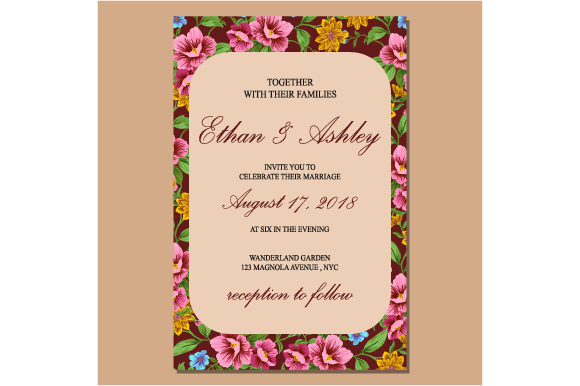
For entrepreneurs selling physical products or digital templates, reliability and scalability are non-negotiable. A professional stationer designing wedding invitations needs the assurance that the SVG paths are clean and closed, preventing machine errors during mass production. Marketers creating large-format signage rely on the vector nature of the SVG to ensure branding remains sharp at any dimension. Furthermore, business owners must consider licensing and long-term usefulness. Having all three formats in one folder reduces future friction; if a client requests a last-minute format change from print to digital, the asset is already prepared, saving billable hours and maintaining project momentum.
Evaluating Quality and Suitability
Not all flower graphics are created equal, and identifying quality requires looking beyond the thumbnail preview. When assessing whether a specific pack matches your needs, consider the technical integrity alongside the artistic style. For cutting machine users, examine the node count in the SVG. Overly complex files with thousands of unnecessary nodes can cause software lag and rough cuts, while overly simplified files may lack organic detail. A well-designed flower graphic strikes a balance, offering smooth curves with efficient pathing.
Print-focused users should verify the true resolution of the PNG. Some files are upscaled artificially, resulting in blurriness despite a high DPI label. Genuine 300 DPI files retain crisp petal edges and vibrant color gradients even when printed at full size. Additionally, consider the artistic coherence of the collection. If you plan to use multiple flowers together in a composition, ensure they share a consistent line weight, shading style, and color palette. Mixing disparate styles can make a project look disjointed, whereas cohesive graphics elevate the perceived professionalism of the final product.
Practical Use Cases Beyond the Basics
While cutting and printing are the most common applications, the versatility of these file types extends into niche areas that maximize return on investment. Web designers utilize SVGs for lightweight, responsive website elements that load instantly compared to heavy raster images. Publishers incorporate PDF florals as chapter dividers or marginalia in books and journals. Freelance designers use the layered nature of these files to create customizable templates for clients, allowing end-users to swap colors or rearrange compositions without starting from scratch.
Ultimately, flower graphics represent more than just pretty pictures; they are interoperable design components. By understanding the specific function of SVG, PNG, and PDF formats within the downloaded folder, users can unlock efficiencies tailored to their unique workflows. Whether the goal is learning a new craft, streamlining a business operation, or enhancing educational materials, these organized digital assets provide the technical foundation necessary to bring botanical visions to life with confidence and precision.