Purple Anchor with Floral Design: Strategic Application for Brand Identity and Creative Projects
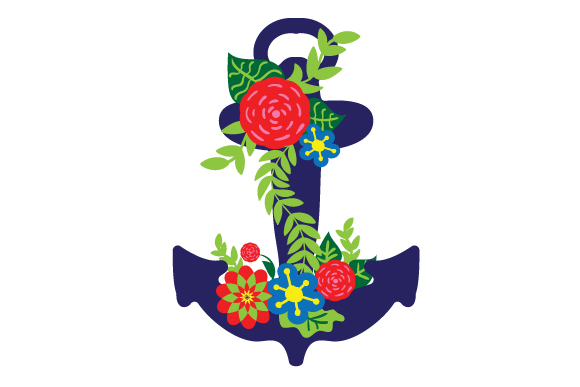
Selecting the right visual asset is rarely just about aesthetics; it is a strategic decision that influences brand perception, audience engagement, and operational efficiency. The Purple Anchor with Floral Design represents a specific intersection of symbolism and style that serves distinct functional purposes for entrepreneurs, educators, and creative professionals. Unlike generic nautical imagery or standard botanical illustrations, this hybrid motif combines the stability and trust associated with anchors against the organic growth and creativity symbolized by floral elements. When acquired in versatile formats like SVG, Transparent PNG, EPS, and DXF, this design becomes more than a decoration; it becomes a scalable tool for communication and product development.
For decision-makers and creators, understanding the utility of this specific design requires looking beyond its surface appearance. The color purple historically connotes wisdom, luxury, and creativity, while the anchor suggests reliability and steadfastness. Adding floral details softens the industrial rigidity of the anchor, making it approachable without sacrificing authority. This balance is critical for businesses and individuals attempting to position themselves as both established experts and innovative thinkers. Whether you are developing a new product line, structuring an educational curriculum, or refining a personal brand, the intentional application of this asset can streamline your visual strategy and reinforce your core messaging.
Strategic Positioning and Visual Semantics
The primary value of the Purple Anchor with Floral Design lies in its ability to communicate complex dualities instantly. In marketing and branding, conveying two opposing concepts simultaneously usually requires extensive copy or multiple visual assets. This single motif bridges the gap between tradition and innovation. For a financial advisor targeting female entrepreneurs, the anchor communicates fiscal responsibility, while the florals and purple hue signal an understanding of modern, holistic business practices. For a wedding planner, the anchor represents the permanence of marriage, while the botanical elements align with current decor trends.
When integrating this design into your strategic planning, consider the psychological impact of the color palette. Purple is often associated with introspection and quality. If your goal is to attract high-value clients or students who value depth over speed, this color choice supports that positioning. However, strategic use also means knowing when not to use it. If your brand identity relies on minimalism, stark modernism, or aggressive corporate blue tones, introducing a purple floral anchor may create cognitive dissonance. Effective strategy involves auditing your existing visual language to ensure this asset enhances rather than distracts from your established narrative.
Leveraging Multi-Format Versatility for Operational Efficiency
Acquiring this design in SVG, Transparent PNG, EPS, and DXF formats is a significant operational advantage that reduces long-term friction. Many creators and small business owners underestimate the cost of incompatible file types. By securing all four variations upfront, you future-proof your asset library and eliminate the need for costly redesigns or tracing services later.
- SVG (Scalable Vector Graphics): Essential for web performance and responsive design. As a vector format, it scales infinitely without pixelation, making it ideal for website headers, app icons, and digital presentations. It also allows for easy color manipulation via CSS or design software, enabling you to adapt the purple tone to match specific campaign palettes without degrading quality.
- Transparent PNG: The workhorse for immediate application. This raster format preserves transparency, allowing for instant placement over colored backgrounds, photographs, or textured surfaces. It is the go-to format for social media graphics, email signatures, and quick mockups where vector editing is unnecessary.
- EPS (Encapsulated PostScript): The industry standard for professional print production. If you plan to use the Purple Anchor with Floral Design on packaging, large-format banners, or merchandise, the EPS file ensures crisp edges and accurate color separation at any physical size. Print vendors typically require this format to guarantee output quality.
- DXF (Drawing Exchange Format): Critical for makers, manufacturers, and craft-based entrepreneurs. This CAD-compatible format allows the design to be used directly with laser cutters, CNC machines, and vinyl plotters. For businesses selling physical products like engraved signage, custom apparel, or laser-cut jewelry, the DXF file transforms a digital graphic into a manufacturable product specification.
Practical Applications Across Industries
The versatility of the Purple Anchor with Floral Design extends across various professional domains. Understanding these specific use cases helps in determining whether this asset aligns with your current objectives. Rather than using the design randomly, map it to specific outcomes in your business or creative workflow.
Educational and Non-Profit Sectors: Organizations focused on mentorship, women’s leadership, or community stability often struggle to find imagery that feels supportive yet structured. This design works exceptionally well for program logos, certificate borders, and event branding. The anchor provides the necessary institutional weight, while the florals prevent the organization from appearing bureaucratic or outdated. In learning materials, it can serve as a visual cue for modules related to foundational skills or personal growth.
Retail and Product Design: For Etsy sellers, boutique owners, and POD (Print on Demand) entrepreneurs, the DXF and SVG files unlock immediate product opportunities. The design translates effectively to laser-engraved wood items, embroidered patches, and vinyl decals. Because the motif balances gender-neutral structure with feminine detail, it appeals to a broad demographic, reducing the risk of alienating potential customers. When planning a product line, test the design at various sizes; intricate floral details within an anchor may require simplification for very small applications like lapel pins or ring engravings.
Digital Content and Personal Branding: Bloggers, podcasters, and coaches can use the Transparent PNG and SVG versions to create cohesive visual systems. Use the anchor as a watermark, a bullet point icon in slide decks, or a recurring element in social media templates. Consistency builds recognition, but variety maintains interest. The ability to recolor the SVG allows you to keep the shape consistent while adapting the mood for different content pillars—perhaps a lighter lavender for wellness topics and a deep royal purple for business strategy posts.
Mitigating Risks and Ensuring Intentional Use
While the Purple Anchor with Floral Design is a powerful asset, relying on it without clear context carries risks. Visual clichés emerge when symbols are used without connection to the underlying message. Before deploying this design, conduct a brief audit to ensure alignment.
First, verify cultural and contextual relevance. While anchors generally symbolize hope and stability, ensure your specific audience interprets the floral addition positively. In some contexts, overly ornate designs can signal "dated" rather than "classic." Test the design with a sample of your target demographic if possible. Second, consider technical legibility. The combination of bold lines and fine details requires careful sizing. Using the high-resolution EPS or SVG for large formats prevents the floral elements from becoming muddy blobs. Conversely, using a complex vector file for a tiny favicon without simplification will result in poor rendering.
Another risk is licensing and exclusivity. Depending on where you acquire the Purple Anchor with Floral Design, check the usage rights. If you are building a trademarked logo, ensure you have exclusive rights or sufficient modification permissions. Using a widely available stock asset as a primary logo without significant alteration can lead to brand confusion and legal vulnerabilities. Strategic use implies ownership; if others are using the identical purple anchor, differentiate yours through layout, typography pairing, or secondary color accents.
Decision-Making Framework for Implementation
To maximize the return on this visual asset, approach its implementation with the same rigor as a business investment. Ask the following questions during your planning phase:
- Does this solve a communication problem? Are you trying to soften a rigid brand, add structure to a whimsical one, or signal a specific niche? If the design does not address a specific positioning challenge, it may be merely decorative.
- Is the format appropriate for the medium? Never upscale a PNG for print. Never use a complex DXF for a web header. Match the file type to the technical requirements of the platform to maintain professional standards.
- How does it integrate with existing systems? Does the purple complement your current color palette? Can the anchor shape fit within your existing grid system or template layouts? Frictionless integration saves time and money.
- What is the long-term viability? Trends fade, but symbols endure. Assess whether this specific combination of anchor and florals aligns with your five-year vision or if it is a short-term tactical choice. If it is tactical, use the PNG/SVG for temporary campaigns. If it is strategic, invest in customizing the EPS/DXF for permanent assets.
Ultimately, the Purple Anchor with Floral Design is a tool for articulating identity. Its value is not inherent in the pixels or vectors but in how thoughtfully you apply it to your goals. By leveraging the full spectrum of available formats and grounding your usage in strategic intent, you transform a simple graphic into a durable asset that supports growth, clarity, and professional excellence. Whether you are cutting vinyl for a new product launch or designing a syllabus for a leadership course, let the design serve your objectives, not the other way around.