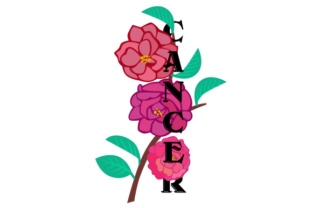
Floral Cancer: Navigating Design Assets, Industry Terminology, and Creative Workflows
In the intersection of botanical science, digital design, and commercial marketing, terminology often overlaps in unexpected ways. For professionals managing creative assets or researching niche markets, the term Floral Cancer presents a unique duality. On one hand, it refers to specific pathological conditions affecting plant biology and agriculture; on the other, it appears as a distinct keyword within digital asset marketplaces, often associated with intricate vector art and stylized botanical illustrations. Understanding this distinction is critical for entrepreneurs, marketers, and designers who must navigate both scientific accuracy and aesthetic trends.
This article explores the multifaceted nature of Floral Cancer, examining its relevance in agricultural technology, its surprising presence in the creative economy, and how modern workflows integrate these disparate elements. Whether you are sourcing design files or analyzing industry shifts, recognizing the context behind this term ensures professional precision and strategic foresight.
Defining Floral Cancer in Biological and Commercial Contexts
To leverage any concept effectively, one must first establish a clear definition. In a strict biological sense, Floral Cancer typically refers to tumorous growths or galls induced by pathogens such as Agrobacterium tumefaciens (crown gall disease) or specific viral infections that cause abnormal cellular proliferation in floral tissues. These abnormalities disrupt the vascular system, alter pigmentation, and can devastate crop yields. For agritech professionals and horticultural businesses, understanding Floral Cancer is a matter of risk management, biosecurity, and developing resistant cultivars through genetic innovation.
However, in the digital marketplace and creative sector, the phrase has taken on a secondary life. It frequently appears as a metadata tag or collection title for high-fidelity vector graphics. Designers searching for "Floral Cancer" in asset libraries are often looking for complex, organic textures, abstract cellular patterns, or stylized representations of botanical imperfection. This semantic shift highlights a broader trend where scientific nomenclature influences aesthetic movements, creating a bridge between laboratory research and visual communication.
The Convergence of Science and Aesthetic Trends
Why does a term rooted in plant pathology resonate within the creative community? The answer lies in the evolving preferences of consumers and brands. There is a growing fatigue regarding hyper-polished, artificial perfection in visual media. Audiences now crave authenticity, complexity, and organic realism. Designs that reference biological structures—even those associated with disease or mutation—offer a level of intricate detail that standard floral vectors cannot replicate.
This trend aligns with the rise of biophilic design and dark botanical aesthetics. Marketers in the wellness, pharmaceutical, and sustainable fashion sectors utilize these complex visuals to convey depth, resilience, and natural processes. When a designer downloads a file tagged with Floral Cancer, they are often accessing a library of organic chaos that serves as a metaphor for transformation, healing, or the raw power of nature. Recognizing this cultural undercurrent allows brands to utilize such assets not merely as decoration, but as strategic storytelling tools.
Technical Asset Management: Formats and Workflow Integration
For freelancers and agencies incorporating these themes into their projects, technical versatility is non-negotiable. Whether the subject matter is a literal representation of plant pathology for an educational campaign or an abstract interpretation for a fashion label, the utility of the asset depends entirely on its format. Professional workflows demand flexibility, which is why comprehensive design packages are the industry standard.
When acquiring assets related to complex botanical subjects like Floral Cancer, professionals should expect delivery in four primary formats, each serving a distinct function in the production pipeline:
- SVG File: Scalable Vector Graphics are essential for web and responsive design. Because Floral Cancer-inspired designs often feature intricate lines and organic curves, SVG ensures that the artwork remains crisp at any resolution without increasing page load times. This format is editable via code, allowing developers to animate specific path elements or adjust colors dynamically.
- Transparent PNG: Rasterized versions with alpha channels are crucial for rapid prototyping and presentation mockups. They allow designers to overlay complex botanical textures onto photography or colored backgrounds without manual masking. High-resolution transparent PNGs serve as immediate visual references during client approval stages.
- EPS (Encapsulated PostScript): This remains the gold standard for print production and legacy software compatibility. For large-format printing, such as trade show banners or packaging, EPS preserves the mathematical precision of the vector paths. It ensures that the fine details characteristic of Floral Cancer illustrations do not degrade during the RIP (Raster Image Processor) stage.
- DXF (Drawing Exchange Format): Often overlooked in graphic design but vital in manufacturing, DXF bridges the gap between digital art and physical fabrication. CNC machines, laser cutters, and embroidery digitizers rely on DXF to interpret vector paths. If a brand intends to turn a Floral Cancer motif into a metal sign, embroidered patch, or architectural screen, this format is mandatory.
Understanding these specifications prevents workflow bottlenecks. A marketer might only need a PNG for a social post, but the product designer needs the DXF for packaging tooling. Sourcing assets that include all four formats future-proofs the investment and supports cross-departmental collaboration.
Market Relevance and Changing Industry Needs
The attention paid to topics like Floral Cancer, both scientifically and aesthetically, reflects shifting priorities across multiple industries. We are observing a move away from siloed knowledge toward interdisciplinary integration. Professionals are no longer just "designers" or "agriculturists"; they are hybrid thinkers who understand how biological realities influence consumer perception and market viability.
Sustainability and Bio-Literacy
As climate change impacts global agriculture, terms related to plant health are entering the mainstream lexicon. Consumers are becoming more bio-literate. They understand that food security and floral beauty are tied to plant resilience. Brands that communicate transparently about challenges like Floral Cancer, using accurate yet accessible visuals, build trust. This is particularly relevant for companies in the regenerative agriculture space, where acknowledging plant stress is part of the narrative of ecological balance.
The Demand for Niche Specificity
Generic stock content is losing value. Search volume for broad terms like "flower vector" is stabilizing, while long-tail keywords describing specific biological phenomena or niche aesthetic styles are seeing increased engagement. This signals a maturation of the digital asset market. Creators and buyers are seeking specificity. A file labeled "Floral Cancer" attracts a targeted audience looking for something distinct, reducing competition and increasing the perceived value of the asset. For sellers, this underscores the importance of accurate, descriptive tagging over generic keyword stuffing.
Practical Applications for Modern Professionals
How does this translate to daily operations? Consider the following scenarios where understanding this dual-natured topic provides a competitive advantage:
- Educational Content Creation: EdTech platforms and agricultural extension services require accurate visualizations of plant diseases. Using stylized, scientifically informed vectors rather than blurry field photos improves learning retention. Having EPS and SVG formats allows these organizations to create interactive textbooks and scalable diagrams.
- Pharmaceutical Branding: Companies developing treatments derived from botanical sources often use imagery that references plant biology. Abstract representations of cellular structures (inspired by concepts like Floral Cancer) can symbolize targeted therapy or biological intervention without being visually disturbing. The transparency of PNG files allows for seamless integration into clean, clinical UI designs.
- Sustainable Fashion and Textile Design: The "imperfect beauty" trend drives textile patterns that mimic organic anomalies. DXF files enable direct-to-garment printing and laser cutting of fabrics featuring these intricate motifs. Designers can manipulate the vector nodes to create repeating patterns that retain the organic feel of the original Floral Cancer concept while meeting manufacturing constraints.
- Data Visualization: Agritech startups presenting yield data or disease spread models need iconography that resonates with industry experts. Custom icons based on actual pathological morphology carry more weight than generic clip art. SVG implementation ensures these data dashboards remain sharp on 4K monitors used in control centers.
Future-Proofing Creative and Business Strategies
Looking forward, the relationship between biological terminology and digital assets will likely deepen. As generative AI becomes more prevalent, the ability to prompt for specific biological accuracies will distinguish professional outputs from amateur ones. Understanding what Floral Cancer actually looks like—and how it differs from healthy tissue or other pathologies—enables better curation and generation of visual content.
Furthermore, as intellectual property laws evolve around AI-generated content, owning licensed, human-created vector assets in versatile formats (SVG, EPS, DXF) provides legal safety and commercial exclusivity. Businesses that invest in high-quality, multi-format assets today are building a defensible library of intellectual property that can adapt to future mediums, whether that be augmented reality overlays, 3D-printed merchandise, or next-generation web experiences.
Ultimately, whether you are combating Floral Cancer in a greenhouse or utilizing it as a motif in a branding campaign, success depends on precision. It requires respecting the scientific origin of the term while leveraging the technical flexibility of modern design standards. By bridging these worlds, professionals can create work that is not only visually compelling but also intellectually robust and commercially viable. The availability of assets in SVG, Transparent PNG, EPS, and DXF formats is not merely a convenience; it is the infrastructure that enables this cross-disciplinary innovation to thrive.